Unarmed Security Guards
.. followed by some bogus content. Aenean commodo ligula egget dolor. Aenean massa.


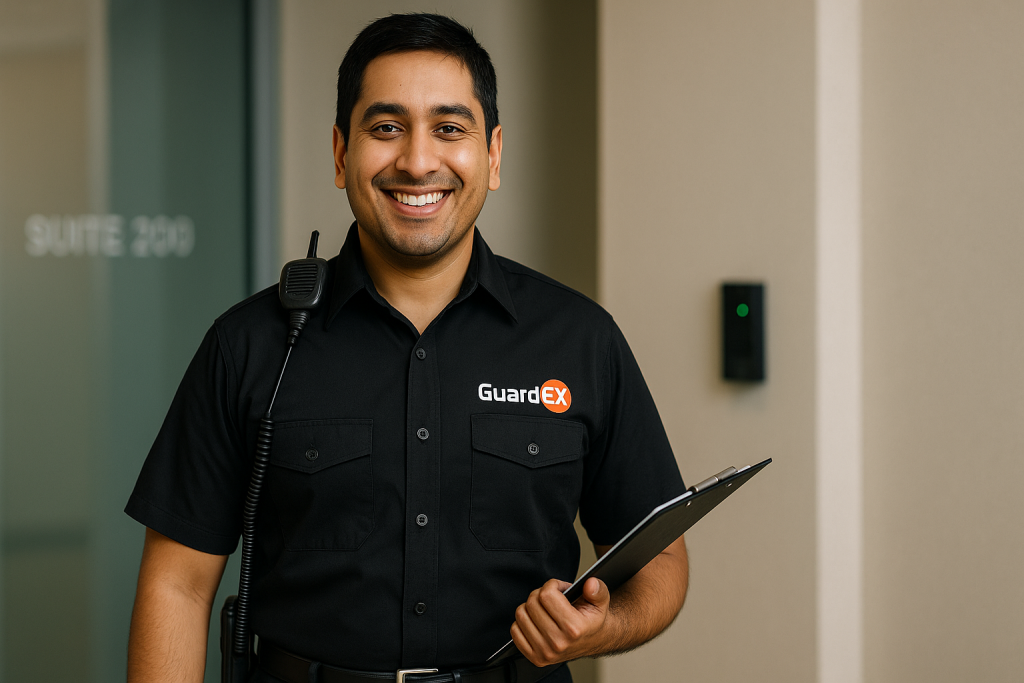
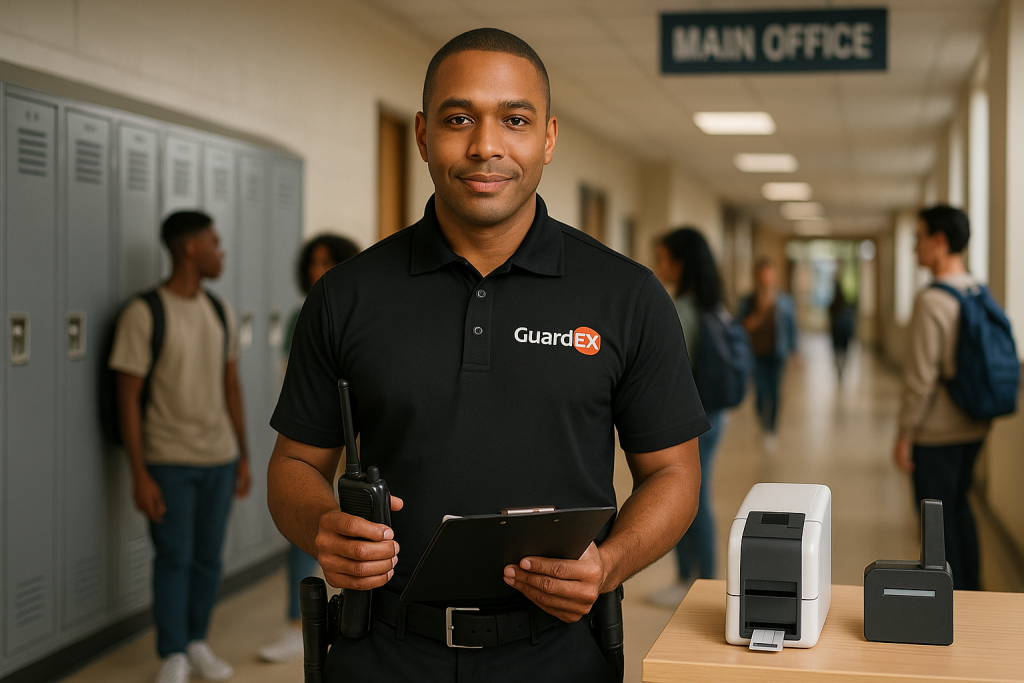

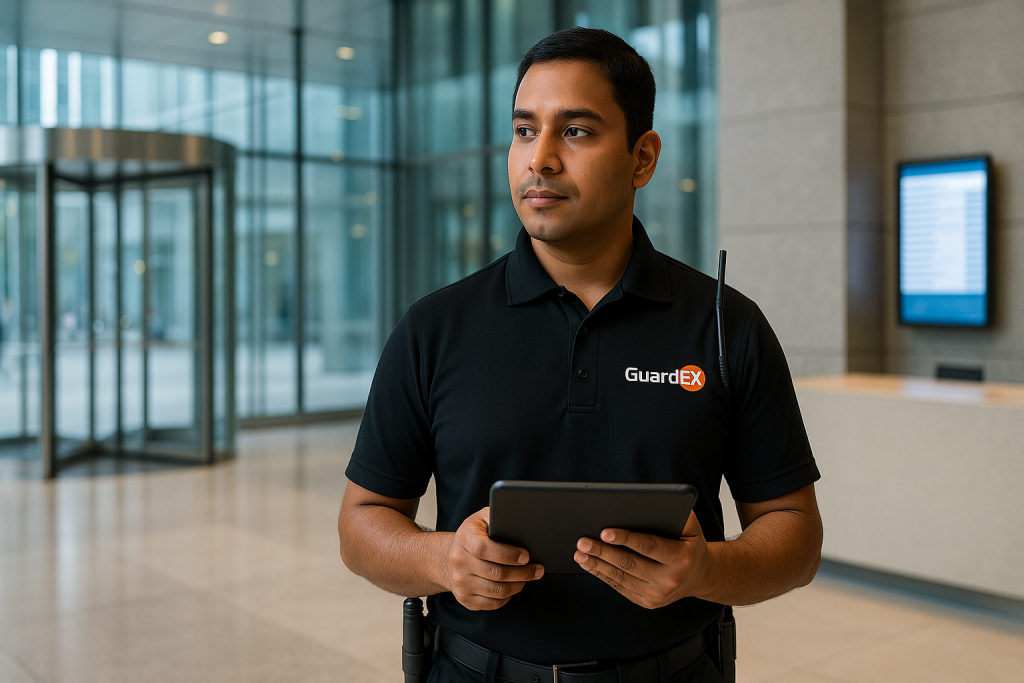
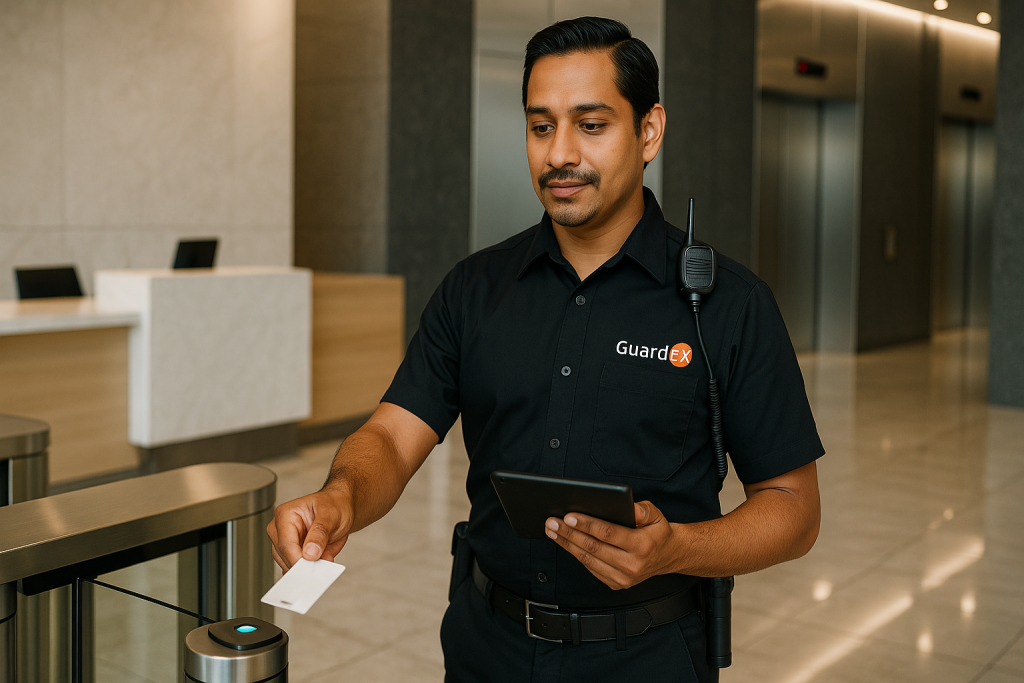

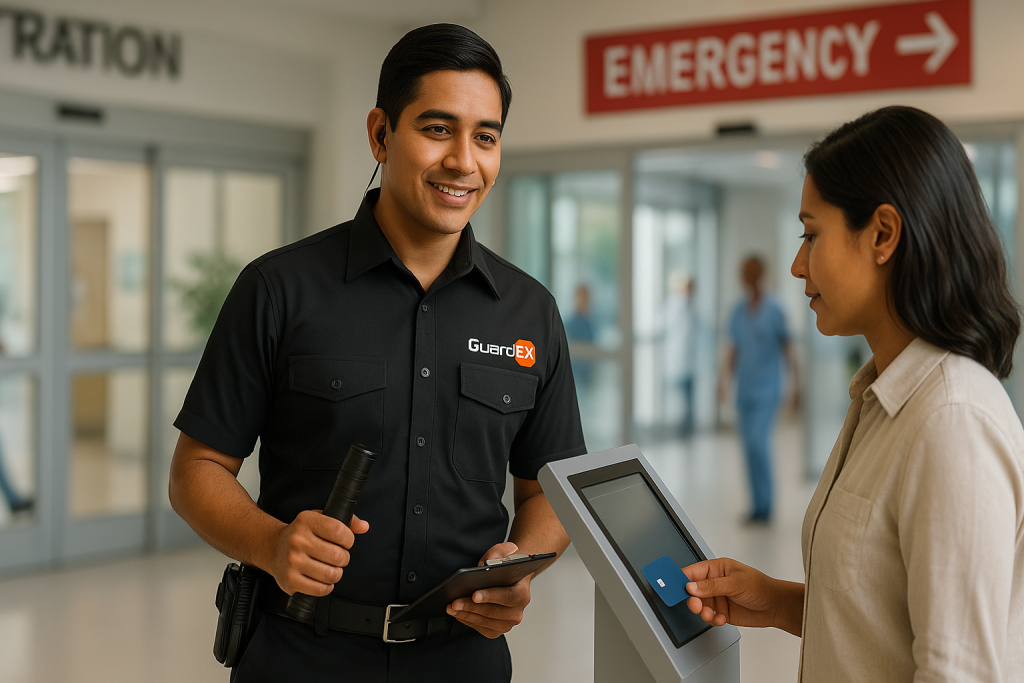


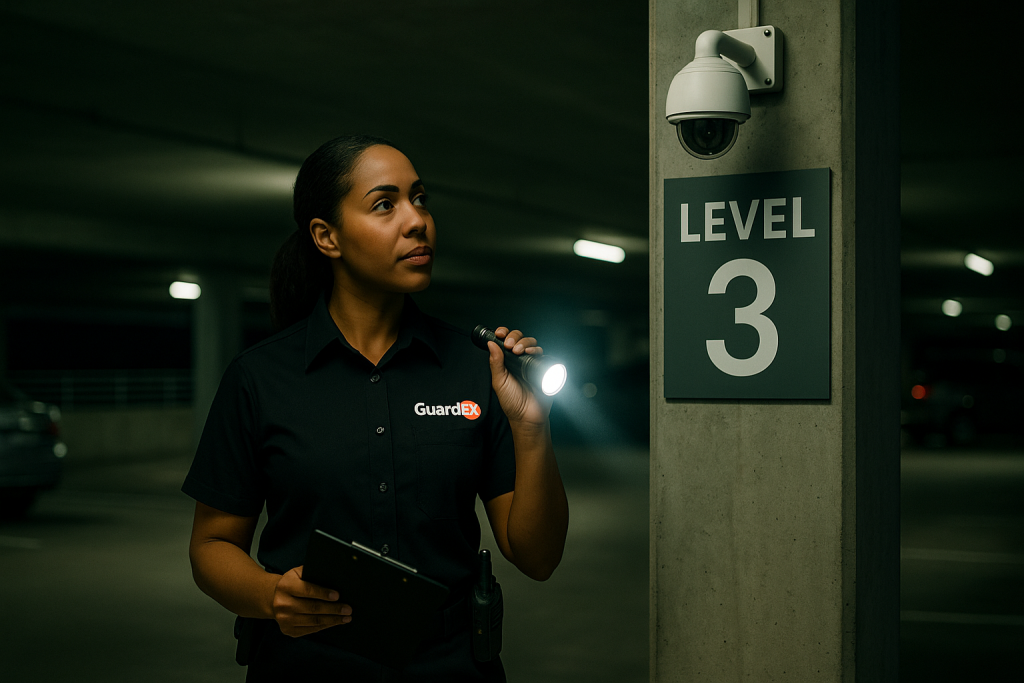

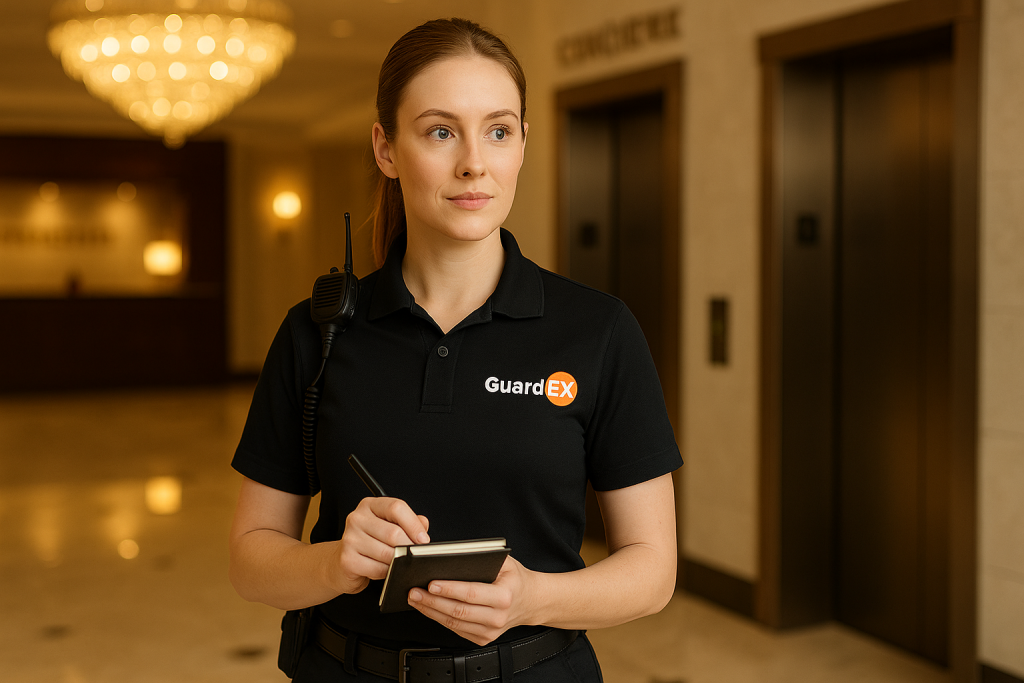
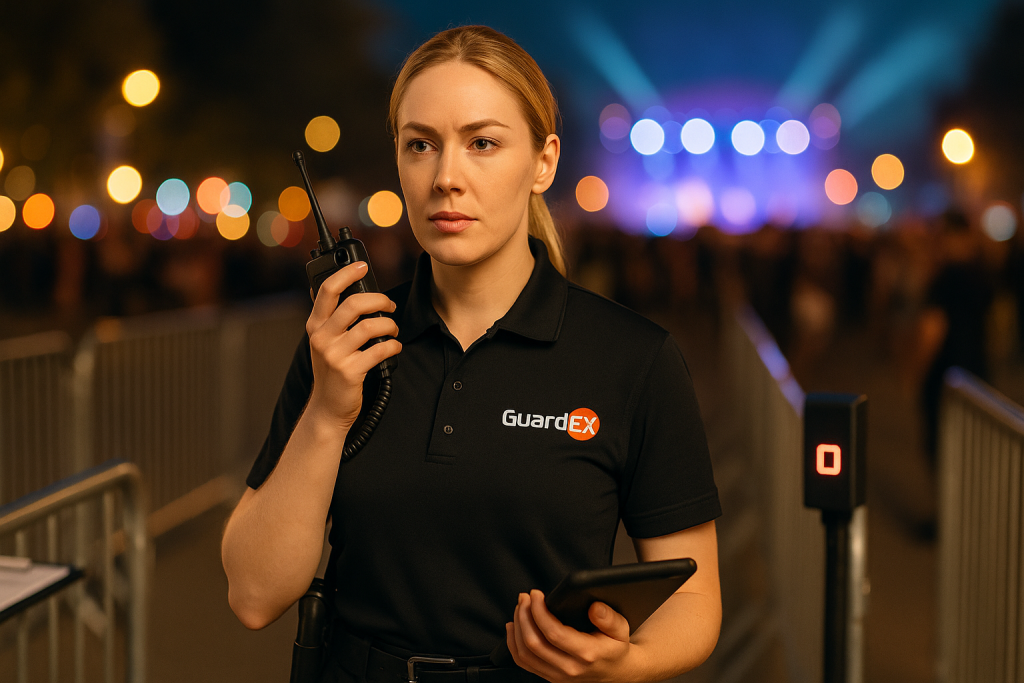
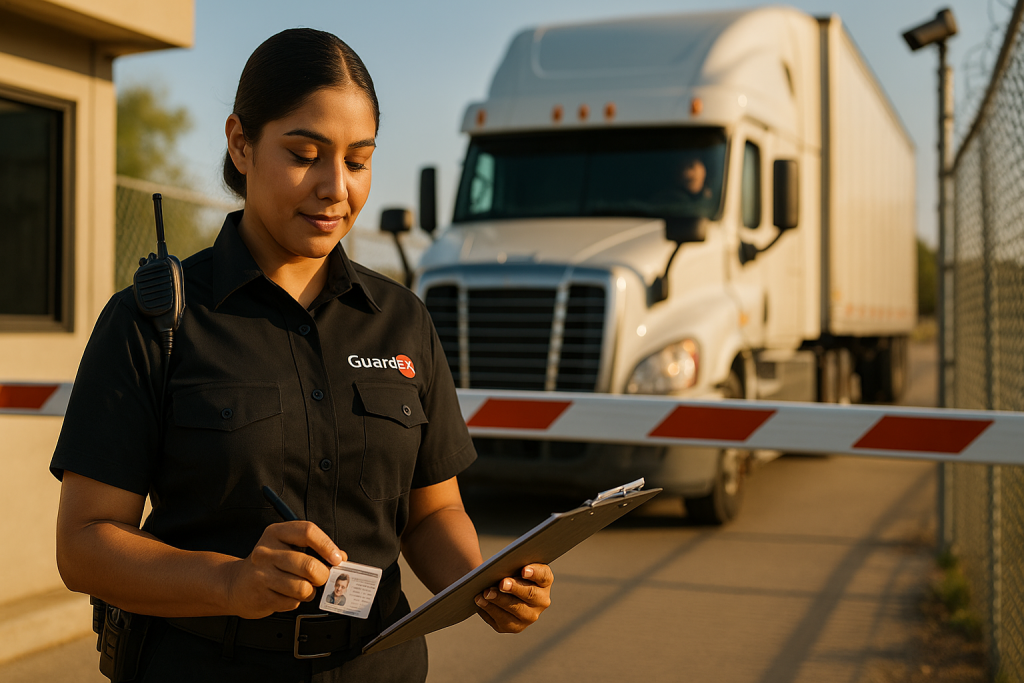
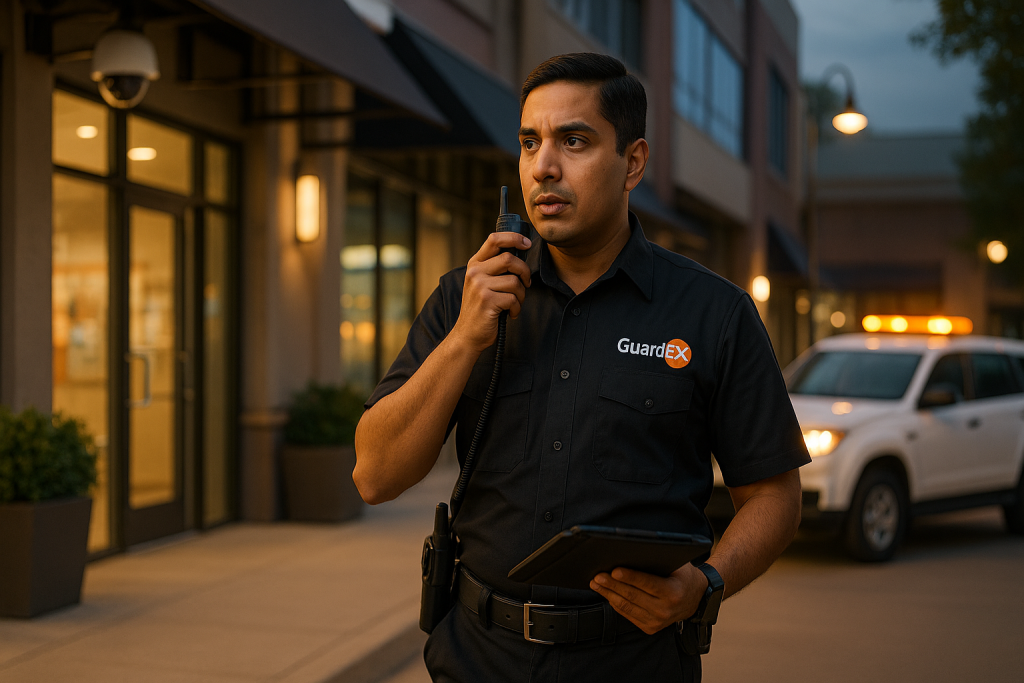


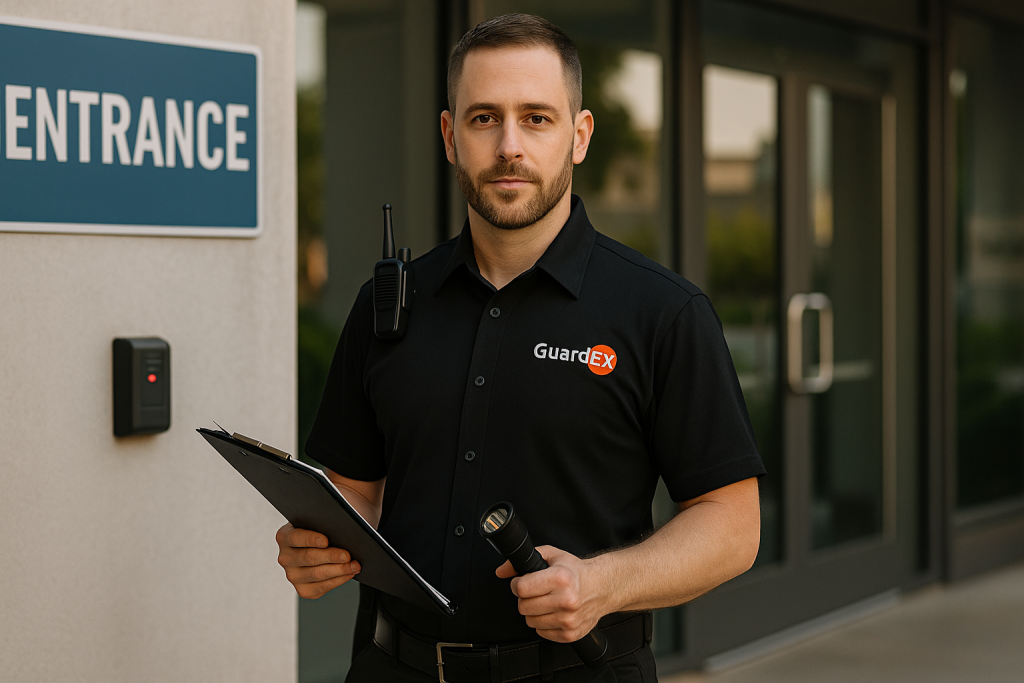
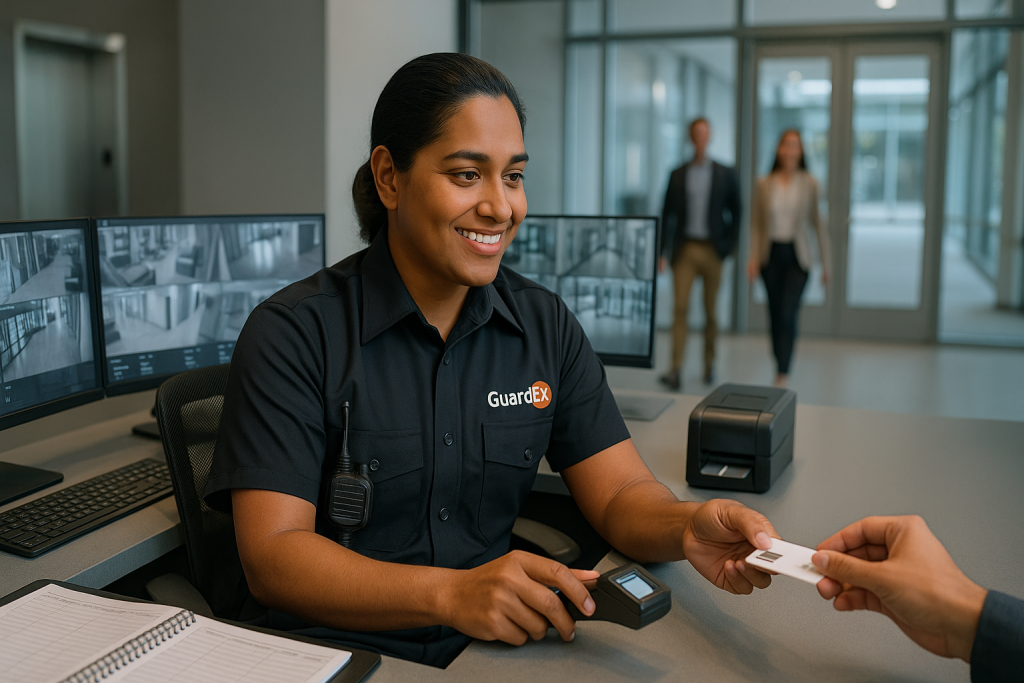



Armed security is usually appropriate when there’s a credible risk of violence, high-value assets, prior serious incidents, or slower police response times due to location. If your risk profile is low-to-moderate, unarmed security is often the better fit.
The hourly rate for a security guard in NJ varies based on whether you need unarmed or armed coverage, the hours required, and the level of supervision/reporting needed. Unarmed posts are usually more cost-effective, while armed coverage costs more due to training, risk, and requirements. Site factors like access control, patrols, and public traffic can also affect rate.
In NJ, carrying a handgun generally requires a permit to carry (subject to legal exceptions and site-specific restrictions). Armed security assignments should only be staffed with personnel who meet the applicable NJ requirements for lawful carry and the job’s policies.
SORA covers security officer registration/certification and renewal requirements. Firearm carry authority is a separate legal issue in NJ and is typically handled through the state’s handgun carry permitting rules and restrictions.
NJ State Police SORA certification is valid for two years and requires renewal, including an 8-hour refresher course before expiration.
No. Police officers have law enforcement authority; private security typically has authority limited to the property and the scope of the assignment, plus whatever powers any private citizen has. If you need law enforcement authority on-site, off-duty law enforcement is a different option.
This is a common comparison on ranking pages because the “right” choice depends on the authority you need, the risk level, and the budget. Off-duty officers generally bring full law enforcement authority; armed guards provide an elevated deterrent and on-site protection within a more limited scope.
Armed security does not equal police power. Most sites rely on de-escalation, documenting, removing trespassers when appropriate, and calling law enforcement for crimes or threats—under a clear, written escalation policy.
Well-run armed programs emphasize prevention first: presence, positioning, communication, and de-escalation—then escalation only as required by policy and law. Your post orders should spell out exactly what the guard does, when they call police, and who they notify internally.
Yes—some venues and “sensitive places” rules can limit where firearms may be carried, even for permit holders, and some situations require specific written authorization. This is why armed posts should be planned around the site type and confirmed compliance.
Common examples include sites with high-value inventory (e.g., jewelry), financial/cash handling, critical infrastructure, remote facilities, high-profile events, and locations with documented threats or prior violent incidents.
Typically, yes—because armed programs often require more screening, training, supervision, and higher insurance exposure.
Armed posts can carry higher risk, which is why the program should include clear post orders, strict escalation rules, and proper insurance documentation. Insurance providers also commonly note that armed operations tend to cost more to insure.
Yes—armed guards are still often assigned to practical duties like access control, patrol routes, and crowd management. The key is defining the role clearly so the guard’s posture matches the environment (customer-facing vs high-risk).
Most top providers ask for the same basics: site address, hours, number of posts, access points, site contacts, known risks/incidents, required duties (entry control, patrol, etc.), and any site rules or restrictions. Getting this up front helps lock in correct staffing and pricing.
Start time depends on scope, scheduling, and any onboarding requirements (post orders, site walkthrough, credentials/badges, and confirming compliance for the location). For many sites, once the plan is defined, staffing can move quickly.